
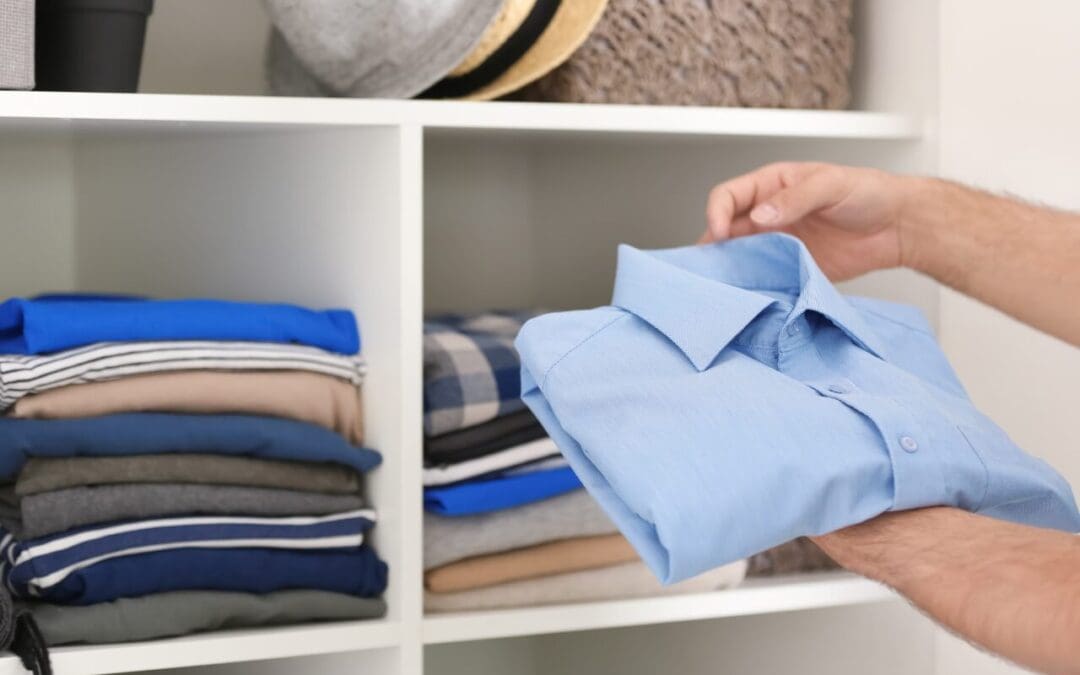
Closets play a larger role in home functionality than many homeowners realize. When closets are cluttered or poorly arranged, daily routines become less efficient and more stressful. Searching for clothing, shoes, or household items can be time-consuming and often leads to frustration. Closet organization helps establish order by creating intentional systems that support how the home is actually used. Well-organized closets reduce visual clutter, improve accessibility, and make it easier to maintain a clean and functional living environment.
Closet organization also supports better decision-making. When items are clearly visible and accessible, homeowners are less likely to purchase duplicates or forget what they already own. This leads to better use of space and fewer unnecessary purchases over time.
Closet Organization Starts With a Clean Slate
A successful closet organization project begins with a full reset. Emptying the closet allows homeowners to assess the available space and how it is currently being utilized. This step makes it easier to identify items that are no longer worn, used, or needed. Keeping only items that serve a purpose ensures that storage space is not wasted on clutter. Starting with a clean slate also allows homeowners to notice problem areas, such as insufficient hanging space or shelves that are difficult to reach. Addressing these issues early creates a more functional layout and prevents the same problems from reappearing after reorganization.
Smart Storage Solutions Improve Organization
Effective closet organization relies on selecting storage solutions that complement the available space. Adjustable shelving enables homeowners to adjust layouts as their needs evolve. Double hanging rods increase capacity for clothing, while drawers and baskets help keep smaller items contained and easy to locate. Clear storage containers will improve visibility and reduce the tendency to overfill shelves. Lighting is another important but often overlooked factor. Poor lighting makes it difficult to see items clearly, which may lead to disorganization. Improving visibility through better lighting supports long-term closet organization and helps maintain order.
Closet Organization for Different Types of Closets
Each closet in a home serves a unique function, and organization strategies should reflect that purpose. Bedroom closets typically require a balance of hanging space, shelving, and drawers to accommodate daily clothing and accessories. Linen closets benefit from sturdy shelves and consistent spacing that allow towels, bedding, and supplies to remain visible and easily accessible. Entryway closets often need flexible storage to handle shoes, coats, bags, and seasonal items. Utility or storage closets may require heavier-duty shelving to support cleaning supplies, tools, or household equipment. Tailoring closet organization to each space ensures that storage systems work efficiently rather than becoming obstacles.
Maintaining Closet Organization Over Time
Long-term success depends on consistent habits. Closet organization is most effective when items are returned to their designated places after use. Periodic reviews help prevent clutter from accumulating and enable homeowners to adjust systems as their needs change. Seasonal rotations, such as storing off-season clothing elsewhere, keep closets functional and prevent overcrowding. Maintenance also includes recognizing when a system is no longer working. Adjusting shelving heights, adding storage accessories, or reducing the number of stored items can restore balance and improve usability without starting from scratch.
Home Value and Everyday Comfort
Organized closets contribute to a home that feels larger, cleaner, and more intentional. Functional storage improves daily comfort by reducing stress and simplifying routines. For homeowners considering future resale, closet organization will enhance buyer perception by showcasing efficient use of space and thoughtful design. Proper organization also protects belongings. Adequate spacing and airflow reduce wear on clothing and prevent damage caused by overcrowding. These benefits extend beyond appearance and support overall home maintenance.
When to Consider Professional Help
Some closets present challenges that standard solutions cannot efficiently address. Small spaces, awkward layouts, or growing storage needs may benefit from professional input. Custom closet systems and professional organizers provide tailored solutions designed to maximize space and durability. In such situations, professional closet organization will lead to long-term efficiency and reduce frustration.
Closet organization is about creating systems that support how a home is lived in daily. With thoughtful planning, practical storage solutions, and regular maintenance, closets can become efficient and organized spaces that enhance comfort, functionality, and long-term home value.
Frequently Asked Questions (FAQs)
How often should closets be reorganized?
Closets should be reviewed at least once a year, with seasonal adjustments made as storage needs change.
What causes closets to become disorganized quickly?
Lack of clear storage zones and attempting to store too many items in a limited space are common causes of clutter.
Does closet organization really improve daily routines?
Yes. Organized closets reduce time spent searching for items and simplify decision-making.
Are storage products necessary for good closet organization?
Storage products can help, but thoughtful layout and consistent habits are equally important.
Can closet organization make a home feel larger?
Yes. Efficient storage reduces visual clutter, making spaces feel more open and functional.
Five Stars Home Inspections offers home inspections and water quality testing to customers in the Greater Boston area. Contact us to request our services.