
Carbon monoxide exposure is one of the most serious safety risks a homeowner faces and one of the most preventable. The gas itself offers no warning: it’s colorless, odorless, and entirely undetectable by human senses at any concentration. At low levels, carbon monoxide exposure produces symptoms, such as headache, nausea, dizziness, and fatigue, that are easily and frequently attributed to the flu, stress, or poor sleep. At higher concentrations, it incapacitates rapidly and could be fatal without any prior indication that the air in the home has become dangerous. What makes carbon monoxide both particularly hazardous and particularly manageable is that it always comes from a source and those sources are identifiable, maintainable, and detectable with the right equipment.
How to Prevent and Detect Carbon Monoxide Exposure at Home
Carbon monoxide exposure in residential settings is produced by the incomplete combustion of any carbon-based fuel. Natural gas, propane, oil, wood, and gasoline all produce carbon monoxide when they don’t burn completely. The most common sources are gas furnaces and boilers with cracked heat exchangers, gas water heaters with improper venting, fireplaces with blocked flue systems, and vehicles or generators operated in attached garages where exhaust migrates into the living space. The carbon monoxide risks that most frequently surprise homeowners are the portable ones: generators, charcoal grills, and camping stoves operated indoors or in enclosed spaces like garages or enclosed porches. These produce carbon monoxide at concentrations that reach dangerous levels far more quickly than a malfunctioning fixed appliance because they’re designed for outdoor use and generate significantly higher output.
The Protection Every Home Must Have
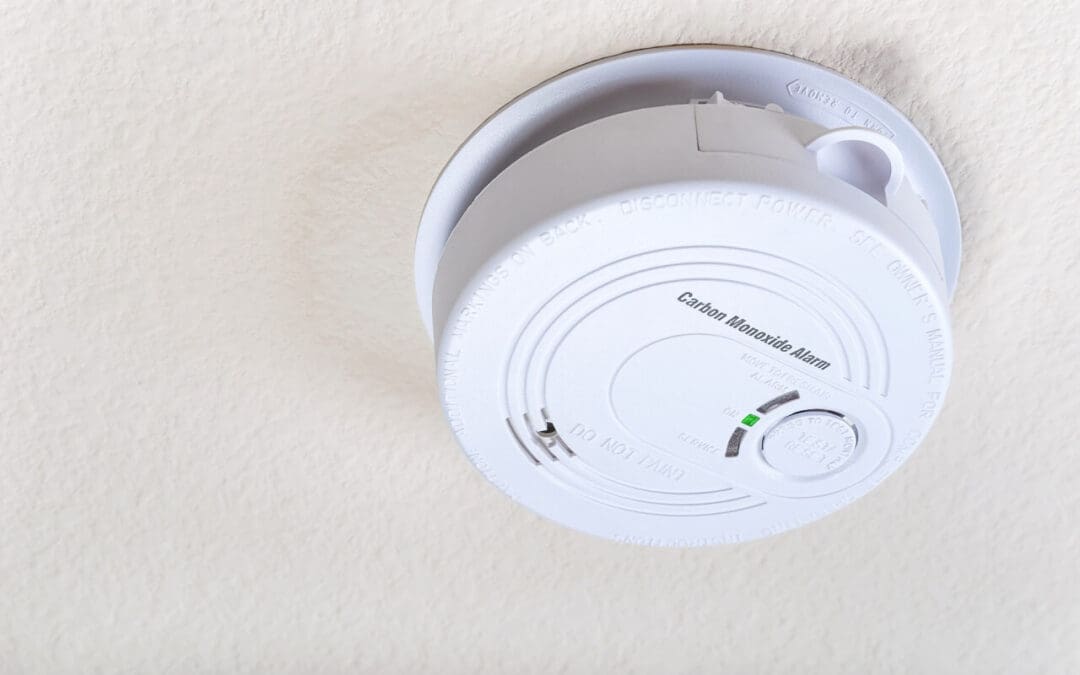
Carbon monoxide detectors are the protection that most directly saves lives. The current standard is at least one detector on every level of the home and within ten feet of every sleeping area, because carbon monoxide exposure during sleep is the scenario that most frequently produces fatalities. Detectors have a finite lifespan, typically five to seven years from the manufacture date, after which the electrochemical sensor degrades and the detector may fail to alarm even at dangerous concentrations. Checking the manufacture date on the back of any existing detector and replacing units at or past their lifespan is the step most homeowners skip because a detector that appears functional does not indicate that its sensor has degraded.
Carbon Monoxide Exposure Prevention Starts at the Source
The most effective long-term strategy to prevent carbon monoxide exposure is maintaining the combustion appliances that produce it. A properly installed, properly vented, and regularly serviced gas furnace, water heater, or fireplace produces negligible carbon monoxide output under normal operating conditions. Annual professional service for gas heating equipment is a prevention investment that addresses the most common and most serious source of residential CO accumulation. Flue and chimney maintenance is the prevention step most specific to homes with wood-burning fireplaces or older gas appliances with atmospheric venting. A blocked flue prevents combustion gases from exhausting to the exterior and allows them to back-draft into the living space. Annual chimney inspection and cleaning by a certified chimney sweep addresses this risk for wood-burning appliances, and confirming that the flue damper is open before lighting any fire is the habit that prevents the most common immediate back-drafting event.
Frequently Asked Questions (FAQs)
What are the symptoms of carbon monoxide exposure and how do I know if I’m experiencing it?
Early symptoms are headache, nausea, dizziness, and fatigue, which are frequently confused with illness. The indicators that suggest carbon monoxide exposure rather than sickness are that symptoms improve when leaving the home and return when re-entering, multiple household members experience similar symptoms simultaneously, and pets appear lethargic alongside human occupants. If these patterns are present, leave immediately, call 911 from outside, and don’t re-enter until emergency services have cleared the space.
How many carbon monoxide detectors does my home actually need?
One detector per level and one within ten feet of each sleeping area is the minimum. Homes with attached garages benefit from a detector near the garage-to-home connection. More detectors provide earlier warning at lower concentrations than fewer units positioned farther from potential sources.
Can a gas range cause carbon monoxide exposure?
Yes, particularly when used for extended periods, when burners are partially blocked, or when the range is used for space heating. Gas ranges aren’t vented appliances and rely on kitchen ventilation to manage combustion byproducts, which is why running the range hood during cooking is a carbon monoxide reduction practice beyond just smoke and odor management. A range that produces persistent headaches or eye irritation during use warrants a professional inspection.
What should I do when my carbon monoxide detector alarms?
Evacuate everyone, including pets, immediately, call 911 from outside, and don’t re-enter until emergency responders have assessed and cleared the space. Don’t attempt to locate the source or open windows before leaving. False alarms from CO detectors are significantly less common than homeowners assume, and treating every alarm as a real carbon monoxide exposure event is the response that produces the safest outcome.
How often should I replace my carbon monoxide detectors?
Every five to seven years from the manufacture date. The electrochemical sensor that detects carbon monoxide exposure degrades over time regardless of apparent function. The manufacture date is printed on the back of the unit. If it’s not legible, replace the detector rather than continue using one of unknown age.
Five Stars Home Inspections offers home inspections to customers in the Greater Boston area. Contact us to request our services.