
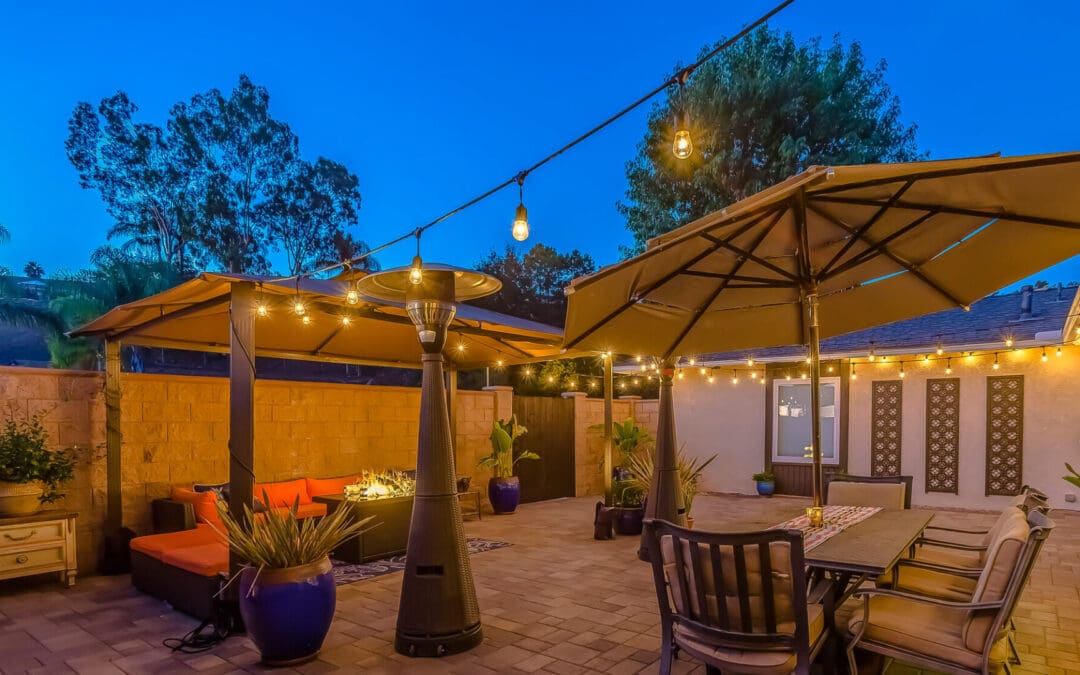
The furniture you choose for your deck has more influence over how the space looks, feels, and gets used than almost any other design decision you’ll make outdoors. Choosing patio furniture that suits your lifestyle, your deck’s dimensions, and your local climate is the difference between a deck that becomes a true outdoor room and one that sits largely unused. With the right approach and a clear set of priorities, finding the right outdoor furniture is far more straightforward than the overwhelming array of options might suggest.
Choosing Patio Furniture Requires More Than Picking What Looks Good
Aesthetics matter, but looks alone don’t determine whether furniture works for your specific situation. A stunning sectional sofa that looks perfect in a showroom may be impractical on a compact deck, deteriorate quickly in the heat, or simply be uncomfortable enough that no one wants to sit in it for long. Choosing patio furniture thoughtfully means balancing style with durability, comfort, scale, and the practical realities of how you actually use your outdoor space. Start by being honest about how the deck gets used. Is it primarily a dining space, a lounging area, or both? How many people do you typically entertain? How much sun and weather exposure does the deck receive? Are children or pets part of the equation? The answers to these questions should guide every furniture decision that follows.
Consider Scale and Layout When Choosing Patio Furniture
One of the most common mistakes when choosing patio furniture is misjudging scale. Oversized furniture on a compact deck feels cramped and difficult to navigate, while undersized pieces on a large deck look sparse and unanchored. Before purchasing anything, measure your deck and sketch a basic layout. A general guideline is to leave at least 36 inches of clearance around dining tables and at least 18 inches between a coffee table and surrounding seating. If the deck is large enough, define distinct zones and select furniture scaled to each zone rather than trying to find pieces that serve every purpose simultaneously.
Choosing Patio Furniture Materials That Last
Material selection is where the long-term success of outdoor furniture is decided. The climate you live in should heavily influence your choice. Teak is widely considered one of the best natural wood options. Its natural oil content makes it resistant to moisture, insects, and weathering, and it can be maintained with periodic oiling or left to weather naturally to a silvery gray. Powder-coated aluminum is lightweight, rust-resistant, and available in a wide range of styles. High-quality synthetic all-weather wicker closely mimics the look of natural wicker without the vulnerability to moisture and UV damage that natural materials carry.
Cushion fabric deserves equal attention. Solution-dyed acrylic fabrics are fade-resistant, moisture-resistant, and significantly more durable than standard outdoor polyester. Look for removable covers and foam inserts rated for outdoor use to prevent rapid deterioration from moisture exposure.
Comfort, Functionality, and Finishing Touches
Comfort is the factor that ultimately determines how much a deck gets used. Deep-seated sofas and lounge chairs with thick cushions invite lingering in a way that shallow, thin-padded seats simply don’t. Whenever possible, sit in furniture before purchasing to confirm it actually feels as good as it looks. Functionality adds long-term value that fixed, single-purpose pieces can’t provide. Extendable dining tables accommodate varying guest counts, modular sectionals can be reconfigured for different occasions, and pieces with built-in storage reduce clutter. Side tables, ottomans, and an outdoor rug complete the space and give it the finished, intentional feel that separates a well-designed deck from a collection of mismatched pieces.
Choosing patio furniture is ultimately about creating an outdoor space that works for your life. Invest in quality, prioritize comfort, and choose materials suited to your environment, and your deck furniture will serve you well for many seasons to come.
Frequently Asked Questions (FAQs)
What is the most durable material when choosing patio furniture?
Teak, powder-coated aluminum, and high-quality synthetic all-weather wicker are consistently the most durable options.
How do I choose the right size patio furniture for my deck?
Measure your deck carefully before purchasing and sketch a basic layout that accounts for traffic flow and clearance. Leave at least 36 inches around dining areas and 18 inches between coffee tables and seating.
How should I care for outdoor furniture to extend its life?
Store or cover cushions when not in use and during off-season periods. Clean furniture frames seasonally with mild soap and water, and treat wood furniture with appropriate oil or sealant as recommended. Covering furniture during extreme weather significantly extends the lifespan of even quality outdoor pieces.
Is it worth spending more on quality patio furniture?
Yes, quality outdoor furniture uses better materials, more durable construction, and better-performing fabrics that hold up through years of weather exposure. Budget furniture often requires replacement within a few seasons.
What type of cushion fabric is best for outdoor use?
Solution-dyed acrylic fabrics offer the best combination of fade resistance, moisture resistance, and durability. Look for removable covers for easy washing and foam inserts rated specifically for outdoor use.
Five Stars Home Inspections offers home inspections and water quality testing to customers in the Greater Boston area. Contact us to request our services.