
Exterior home maintenance is one of the most effective ways homeowners can protect their investment, prevent costly repairs, and maintain curb appeal year after year. While interior projects often get more attention, the exterior of a home is constantly exposed to weather, temperature changes, and moisture. Staying ahead of exterior maintenance helps safeguard your home’s structure and long-term value.
Why Exterior Home Maintenance Matters
The exterior of a home acts as the first line of defense against rain, wind, sun, pests, and seasonal changes. When exterior components are neglected, small issues could quickly turn into expensive problems. Cracked siding, failing sealants, or clogged drainage systems allow moisture intrusion that leads to rot, mold, or structural damage. Regular exterior home maintenance helps identify concerns early, when they are easier and more affordable to address. It also ensures that systems designed to protect the home are working as intended. A well-maintained exterior signals care, reliability, and pride of ownership, all of which matter to current homeowners and future buyers.
Exterior Home Maintenance and the Roof
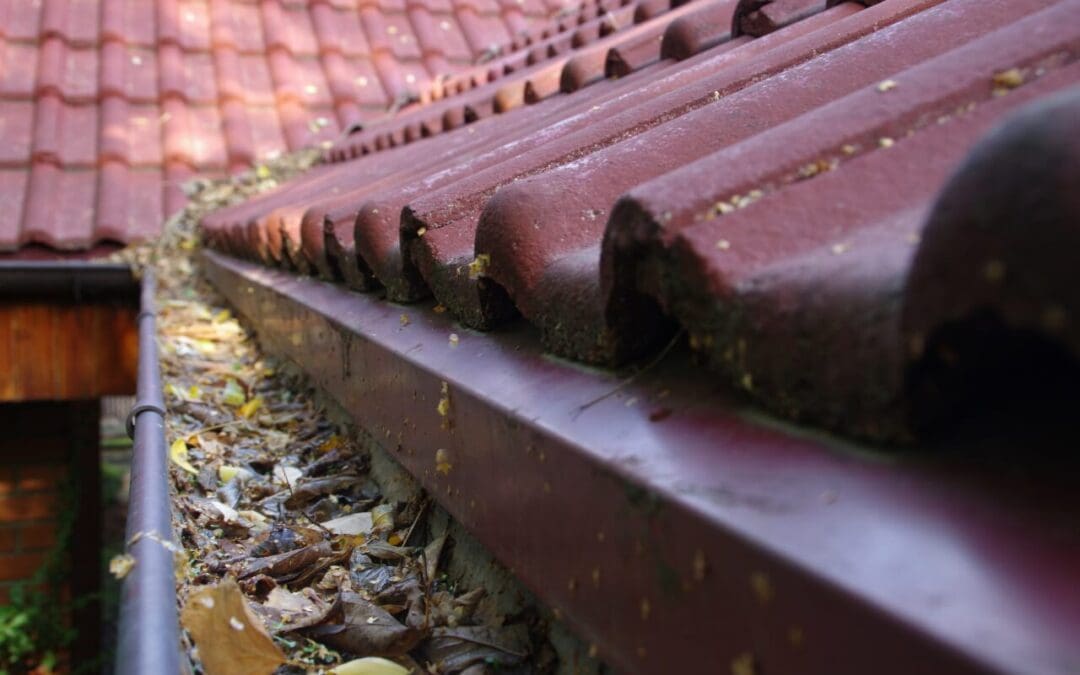
The roof is one of the most critical exterior components, yet it’s often overlooked until a leak appears. Routine inspections help spot missing shingles, damaged flashing, or signs of wear before water finds its way inside. Even minor roof issues could escalate quickly if left unaddressed. Keeping gutters and downspouts clear is a crucial part of roof-related maintenance. Proper drainage prevents water from backing up under roofing materials or spilling over near the foundation. Together, roof and gutter maintenance play a key role in protecting the entire structure.
Siding, Trim, and Paint Care
Siding and trim serve both functional and aesthetic purposes. They shield the home from moisture and pests while defining its visual appeal. Over time, exposure to the elements can cause cracking, warping, or fading, depending on the material. Routine cleaning removes dirt, algae, and mildew that degrade surfaces. Paint and sealants should be monitored for peeling or gaps, as these openings allow moisture to penetrate underlying materials. Addressing these areas is a foundational part of exterior home maintenance that helps prevent hidden damage.
Windows and Doors in Exterior Home Maintenance
Windows and doors are common entry points for air and water when seals begin to fail. Checking caulking and weatherstripping ensures a tight seal that keeps moisture out and improves energy efficiency. Drafts, condensation, or visible gaps are signs that attention is needed. Frames and sills should also be inspected for soft spots or discoloration, which may indicate water damage. Maintaining these components helps preserve comfort inside the home while supporting broader exterior home maintenance efforts.
Maintenance for Foundations and Drainage
A home’s foundation depends heavily on proper water management. Soil should slope away from the house to prevent water from running toward the foundation walls. Standing water near the home increases the risk of cracks, seepage, and long-term structural issues. Driveways, walkways, and patios should also be evaluated. Cracks allow water to penetrate and cause shifting or deterioration over time. Keeping these surfaces in good condition supports safe access and helps manage runoff effectively.
Decks, Porches, and Outdoor Structures
Decks and porches are constantly exposed to sun and moisture, making them vulnerable to deterioration if neglected. Loose railings, soft boards, or peeling finishes should be addressed promptly to maintain safety and longevity. Regular sealing or staining helps protect wood surfaces from moisture and UV damage. For composite or vinyl materials, cleaning and inspections ensure fasteners and supports remain secure. These areas are a key part of exterior home maintenance because they blend structural function with daily use.
Seasonal Planning Makes Exterior Home Maintenance Easier
Exterior maintenance is most effective when approached seasonally. Spring is ideal for inspecting winter damage, while summer allows time for repairs and painting. Fall preparation focuses on drainage and weatherproofing, and winter monitoring helps catch issues caused by snow and ice. Breaking exterior home maintenance into manageable seasonal tasks prevents overwhelm and reduces the likelihood of missed issues. Consistency is more important than complexity when it comes to protecting the home’s exterior.
Frequently Asked Questions (FAQs)
How often should exterior maintenance be performed?
A general visual inspection should be done at least twice a year, with more detailed checks seasonally or after severe weather.
What exterior issues should be addressed first?
Roofing, drainage, and areas where water can enter the home should always be top priorities due to their potential for widespread damage.
Does exterior home maintenance improve property value?
Yes. Well-maintained exteriors improve curb appeal, reduce buyer concerns, and signal that the home has been properly cared for.
Is exterior maintenance important even for newer homes?
Absolutely. Newer homes still develop issues from weather exposure, settling, or installation defects that need attention.
Should homeowners hire professionals for exterior inspections?
Professional evaluations can be helpful, especially for roofs, foundations, or areas that are difficult to access safely.
Five Stars Home Inspections offers home inspections and water quality testing to customers in the Greater Boston area. Contact us to request our services.