
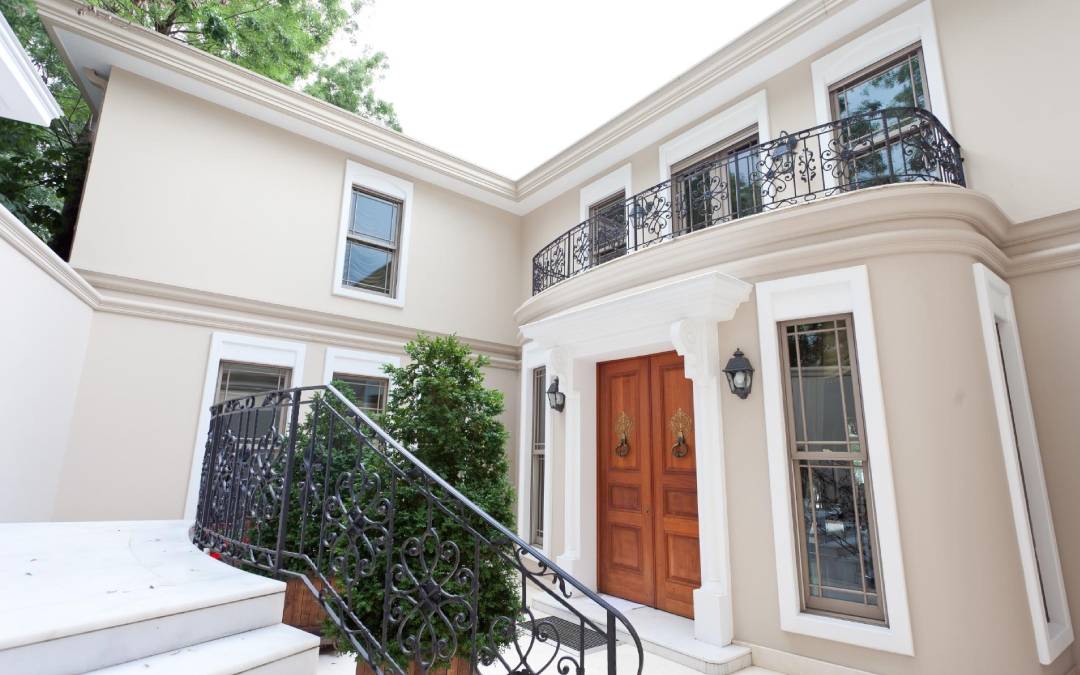
A fresh coat of paint completely transforms a home’s exterior, boosting curb appeal and protecting it from the elements. Whether tackling a full repaint or touching up worn areas, following the right exterior painting tips could make all the difference between a lasting finish and a frustrating redo. With proper preparation, smart material choices, and the right timing, homeowners can achieve professional-looking results without unnecessary stress.
Why Preparation Matters More Than Paint
One of the most overlooked yet essential steps in any exterior painting project is preparation. Surfaces must be clean, dry, and smooth before any paint is applied. Dirt, mildew, and peeling paint may prevent new paint from adhering properly, leading to premature cracking or bubbling. Washing walls thoroughly and scraping off old paint ensures a solid foundation. Sanding rough edges and filling cracks also contributes to a polished final look. Priming is another crucial step that should never be skipped. A good primer helps paint stick better and provides an even base, especially when transitioning between colors or painting over repaired surfaces.
Choosing the Right Paint and Tools
Not all paints are created equal, especially when it comes to exterior use. High-quality exterior paint is designed to withstand harsh weather conditions, resist fading, and maintain its finish over time. Acrylic latex paint is a popular choice because of its durability and flexibility. Equally important are the tools used. Brushes, rollers, and sprayers each serve different purposes. Brushes are ideal for detailed work and edges, while rollers cover large areas efficiently. Sprayers can speed up the process but require more control and preparation to avoid overspray.
Exterior Painting Tips for Perfect Timing
Timing plays a major role in the success of an exterior painting project. Weather conditions directly affect how paint dries and adheres. Mild temperatures and low humidity are ideal for painting. Extremely hot weather may cause paint to dry too quickly, leading to uneven coverage, while rain or high humidity could prevent proper curing. It’s best to plan painting during a stretch of stable weather. Early mornings and late afternoons often provide the most favorable conditions, avoiding the harsh midday sun.
Exterior Painting Tips for Color Selection
Choosing the right color dramatically impacts a home’s appearance. Neutral tones remain a safe and timeless option, while bold colors add personality and make a statement. It’s important to consider the home’s architectural style, surroundings, and even neighborhood trends when selecting a palette. Testing paint samples on small sections of the exterior will help homeowners see how colors look in different lighting throughout the day. This step prevents costly mistakes and ensures satisfaction with the final result.
Exterior Painting Tips for Long-Lasting Results
Durability should always be a priority when painting a home’s exterior. Applying multiple thin coats rather than one thick coat helps achieve a more even and long-lasting finish. Each layer should be allowed to dry completely before adding the next. Proper maintenance also extends the life of the paint job. Regularly inspecting the exterior for signs of wear, such as chipping or fading, allows for timely touch-ups. Keeping gutters clean and trimming nearby plants helps prevent moisture buildup and damage to painted surfaces.
Safety and Efficiency on the Job
Exterior painting often involves working at heights and handling equipment, so safety should never be overlooked. Using sturdy ladders, wearing protective gear, and ensuring stable footing are essential precautions. Taking the time to plan the workflow will improve efficiency and reduce fatigue. Breaking the project into manageable sections helps maintain consistency and prevents feeling overwhelmed. Working methodically from top to bottom ensures that drips and streaks are minimized.
Frequently Asked Questions (FAQs)
How often should a home’s exterior be painted?
Most homes need repainting every five to ten years, depending on the type of paint used, climate conditions, and the quality of the previous job.
What is the best season for exterior painting?
Spring and fall are generally the best seasons due to moderate temperatures and lower humidity.
Do I need to hire professionals or can I do it myself?
Many homeowners successfully complete exterior painting projects themselves, especially smaller ones. Larger or more complex jobs may benefit from professional expertise to ensure safety and quality.
How do I estimate how much paint I need?
Paint coverage depends on the surface area and texture of the walls. Most paint cans provide coverage estimates, and measuring the exterior beforehand helps avoid buying too much or too little.
Can I paint over old exterior paint?
Yes, but only if the existing paint is in good condition. Peeling or damaged areas should be scraped and primed before applying new paint to ensure proper adhesion.
Five Stars Home Inspections offers home inspections and radon testing to customers in the Greater Boston area. Contact us to request our services.