
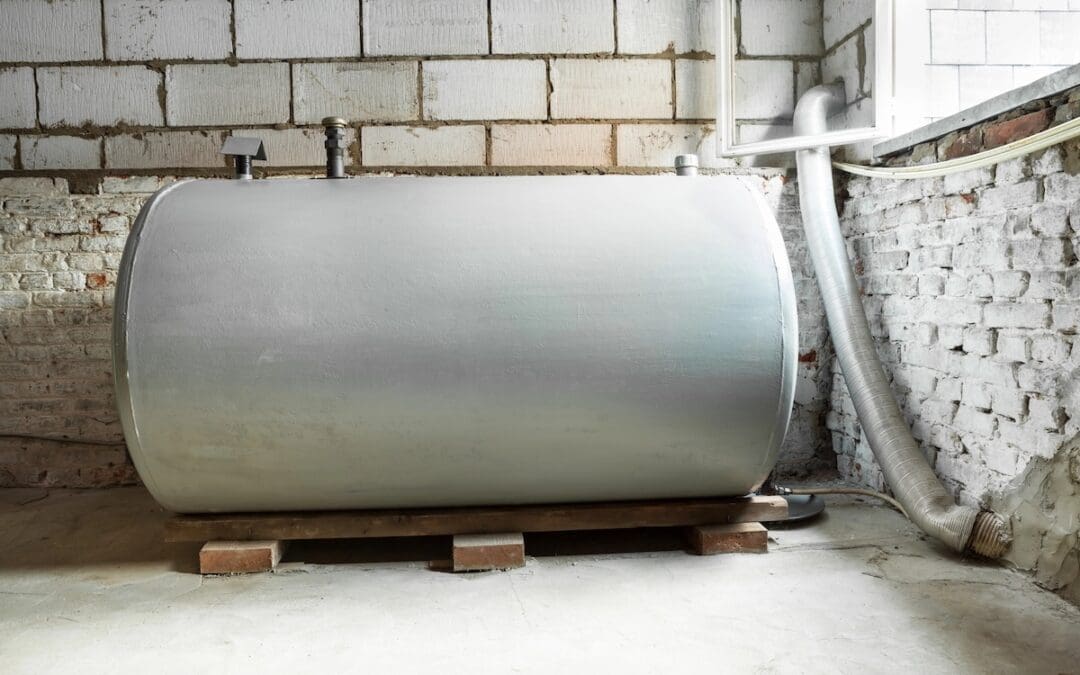
Many homes in the Boston area, especially older ones on the North and South Shores, are heated with oil, and the tank that stores it is one of the most important and least understood parts of the system. A well-maintained heating oil tank can last for decades. A neglected one could leak, contaminate soil, and lead to very expensive cleanup. Understanding the basics helps you protect your family, your property, and your budget. Here’s how to inspect, maintain, and plan for your oil tank.
Know What Type of Heating Oil Tank You Have
Most homes have an above-ground tank in the basement, typically a steel tank holding about 275 gallons. Some have outdoor above-ground tanks, and older properties may have underground tanks, which carry a higher risk because corrosion is hard to see. Tanks can be steel or fiberglass, single-wall or double-wall. Age matters. Steel tanks often last about 15 to 30 years, and a label on the tank usually shows the manufacture date. If you don’t know the age, ask your oil supplier or a heating professional. If you buy a house, ask whether the property has any underground or abandoned tanks, and request records. If an underground tank was ever abandoned, ask whether it was properly cleaned and filled, and whether documentation exists.
Inspect the Tank, Lines, and Fittings
A heating oil tank needs regular visual checks, at least a few times a year. Look for rust, flaking paint, pitting, wet spots, stains on the floor, and drips at fittings. Check that the legs or supports are sturdy and the tank is stable. Inspect the copper supply line for kinks, corrosion, or damage, and make sure the filter is dry. The vent pipe should be clear, and the vent alarm, which whistles during filling, should work. Check the fuel gauge, and notice any oil odor. Check the floor around the tank for stains, and clean small drips promptly with absorbent material. Water can collect in the bottom of the tank and corrode it from the inside, so a periodic professional check is worthwhile. Take photos on each check so you can compare changes, and note the date of the last cleaning or service.
Protect Your Tank From Water, Cold, and Impact
Keep the heating oil tank area dry and clear. Water on the floor can rust the tank from the outside, so fix leaks and dampness. For outdoor tanks, protect them from snow and ice load, falling icicles, and impact, and keep the vent pipe free of snow and ice, since a blocked vent could cause pressure problems during delivery. Don’t let the tank run empty, because sediment at the bottom can be pulled into the burner, and keeping it reasonably full in warm months reduces condensation. Keep children, pets, and flammable materials away from the tank area. Be present during deliveries when possible, and listen for the vent whistle. Ask your supplier about winter-blend fuel and any other cold-weather precautions. If you leave the house for an extended time in winter, make sure the tank has enough fuel to keep the heat running.
Plan for Replacement Before Heating Oil Tank Problems Start
Don’t wait for a leak. Consider replacement when a tank is approaching or past its expected life, shows corrosion, or has had any leak or seepage. Newer options include double-wall and fiberglass tanks, which add protection. Replacement often requires permits, so ask whether your town requires inspections for installation, and old tanks must be removed and disposed of properly. Underground tanks may need professional removal and soil testing. Check your insurance, since many homeowner policies limit or exclude oil leaks, and some insurers ask about tank age. If you suspect a leak, call your oil company and the appropriate local authority right away, and don’t try to clean it up yourself. Get several quotes and keep all records. A professional can also advise whether a different heating system makes sense when it’s time for a major replacement.
Frequently Asked Questions (FAQs)
How long does a heating oil tank last?
Steel tanks often last fifteen to thirty years, depending on conditions and maintenance. Check the manufacture date and inspect regularly.
What should I do if I smell oil?
Ventilate, avoid ignition sources, and call your oil company. If the smell is strong, leave the house and call for help.
Should I be home for a delivery?
It’s a good idea. You can listen for the vent whistle, watch for leaks, and make sure the delivery goes smoothly.
Does insurance cover oil leaks?
Many policies limit or exclude it. Review your policy, ask your agent about coverage for cleanup, and ask whether tank age matters.
Are buried tanks a concern?
Yes, because corrosion is hard to see. Ask for records, and consider testing or removal if the tank’s history is unclear.
Five Stars Home Inspections offers home inspections to customers in the Greater Boston area. Contact us to request our services.